ICA 2027 Pre-Conference 2 June 2027 – King’s College London, UK Creators are everywhere. From YouTubers, TikTok creators, and Instagram influencers to podcasters, streamers, Wang Hong, and Douyin Key Opinion Leaders, creators have become significant actors in contemporary cultural production, communication, commerce, and public life. Their work requires them to navigate multiple platforms, industries, institutions, …
Tag archives: Events
Imaginative Digital Futures: a symposium, 27 November 2024
What will our future look like? Will it have to be digital? What role will biotech, screen media and AI play in it? Can we imagine better futures with and around digital technology? Can we design those futures in a collaborative way? Hosted by the Department of Digital Humanities and the Centre for Attention Studies …
Continue reading “Imaginative Digital Futures: a symposium, 27 November 2024”
New Research Project: Art x Public AI
Art x Public AI is a new research project by the Creative AI Lab, a collaboration between the Serpentine (a public arts org in London) and the Department of Digital Humanities, KCL. The lab focuses on developing research and prototypes that further artistic experimentation with AI. Our aim is to expand the conversations around AI …
High-dimensional cinema • 6 July 2023
Join this panel and discover how Artificial Intelligence and related technologies are reshaping the production and understanding of audiovisual culture.
Africa Week/DH Event: African languages and technological transformations (8 March, online)
The Department of Digital Humanities’ ‘Going Global’ seminar series is holding an online event as part of KCL’s annual Africa Week on ‘African languages and technological transformations: debating knowledge, rights and power on a digital continent’. Join Nanjala Nyabola (tech activist and researcher), Mohamed Abdimalik (data journalist); and Pete Chonka (lecturer in global digital cultures) …
Queering Digital Cultures, Friday 28th October 2022
Zeena Feldman and Jamie Hakim from the Department of Digital Humanities are co-organising an international symposium, “Queering Digital Cultures“, exploring how queer users and tech workers challenge the inequalities and exclusions of today’s internet. The hybrid event will be held on Friday, 28th October 2022 (11.30am to 6pm (BST)) at both King’s College London’s Strand campus and …
Continue reading “Queering Digital Cultures, Friday 28th October 2022”
Representing and (re)Imagining Digital Crowds Beyond Data Reduction
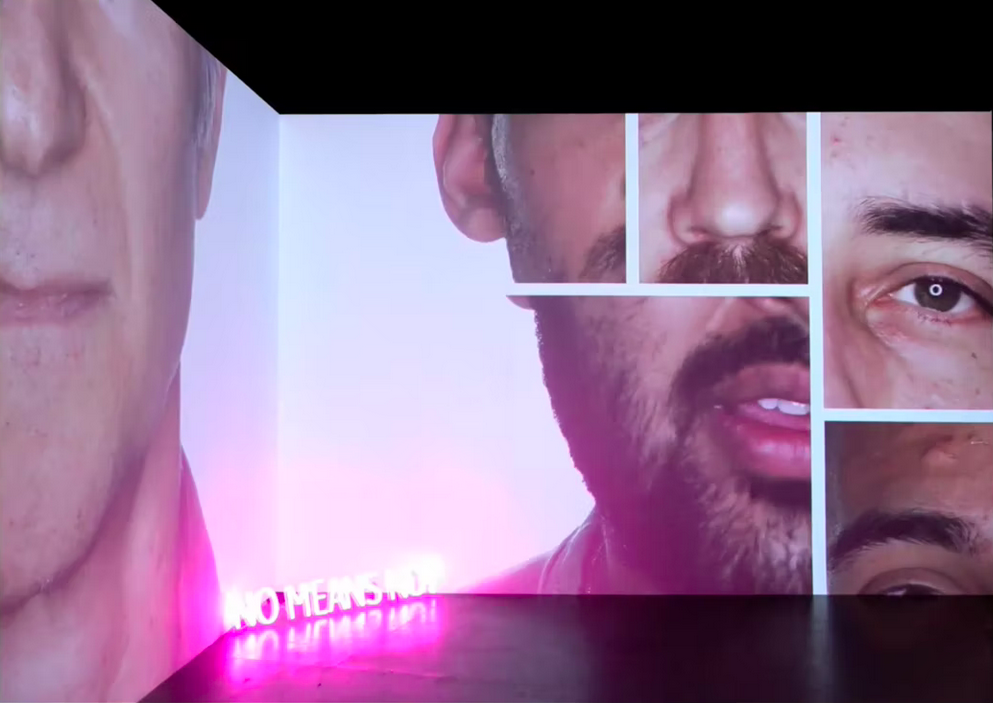
The following post is from Nicola Bozzi, Lecturer in Digital Innovation Management at the Department of Digital Humanities, King’s College London. I am happy to finally share the recording of the online workshop I organised as part of the Online Crowds series, which was supported and funded by the Centre for Digital Culture at King’s …
Continue reading “Representing and (re)Imagining Digital Crowds Beyond Data Reduction”
EVENT | ‘Indisciplinary’ Approaches to Digital Play
[three_fourths] The symposium will explore what is means to undertake interdisciplinary or ‘indisciplinary’ research into digital play. More than this, it aims to showcase the range of research into digital play already underway at King’s and foster cross-departmental collaboration by bringing together staff and PhD students from departments such as the Digital Humanities, English, Culture, …
Continue reading “EVENT | ‘Indisciplinary’ Approaches to Digital Play”
EVENT | Monopolies of Intelligence: Questioning the Political Economy of AI 29.05.19
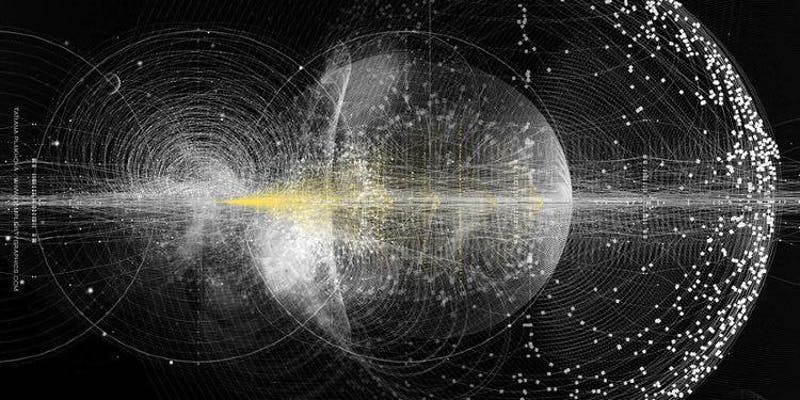
[three_fourths] A panel discussion with Mercedes Bunz, Nick Srnicek, and Leif Weatherby in collaboration with the Digital Theory Lab, New York University (NYU). Artificial Intelligence systems are being applied to many areas of human life. While AI is heavily debated – hyped as our future saviour, pilloried for their biases – the political economy …
EVENT | How Language Became Data: Speech Recognition and Computational Knowledge 22.05.19

[three_fourths] How did automatic speech recognition lay the ground for contemporary computational knowledge practices Join us for a public talk with Xiaochang Li (Max Planck Institute for the History of Science, Berlin). How Language Became Data: Speech Recognition and Computational Knowledge – Xiaochang Li (Max Planck Institute for the History of Science, Berlin) …